Next-gen on-chain intelligence
Transform contract activity into a real-time operational view of your smart contract application.
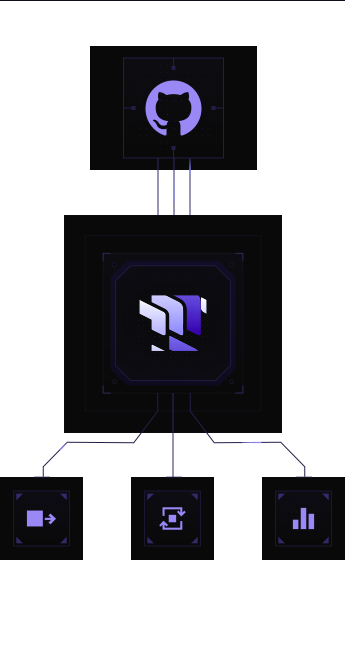
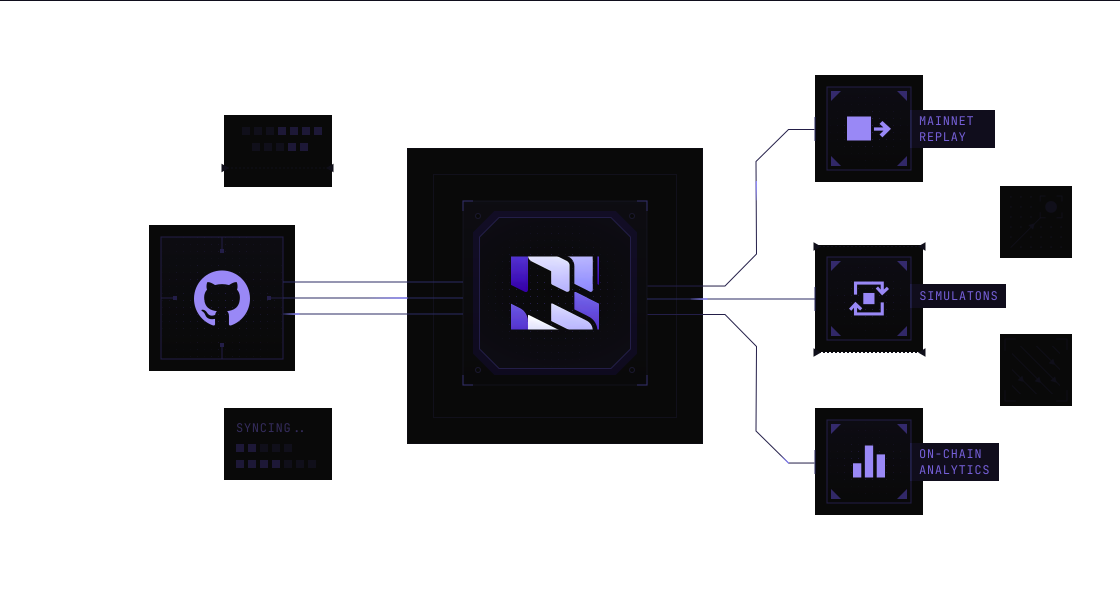

Continuous visibility for production contracts
Understand behaviour, monitor operational health, and investigate changes.
Contract analytics
Visualise user activity, asset flows, contract behaviour, and more.
Operational health
Monitor the signals that matter and get alerted to unexpected behaviour.
Deep investigation
Drill from long-term trends down to individual transactions and calls.

The smart contract operations stack
Analytics, monitoring, and high-fidelity staging in one platform.
// analytics
Understand your contracts' behaviour
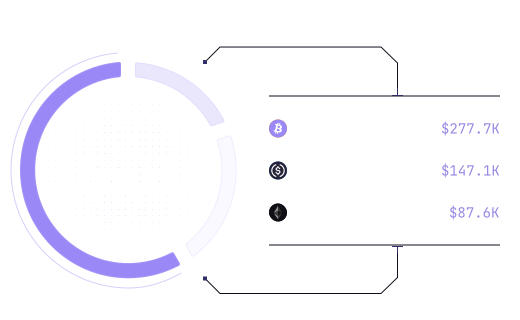
Explore transactions, asset flows, users, and key on-chain metrics with built-in dashboards.
// monitoring
Ensure your contracts are operating correctly
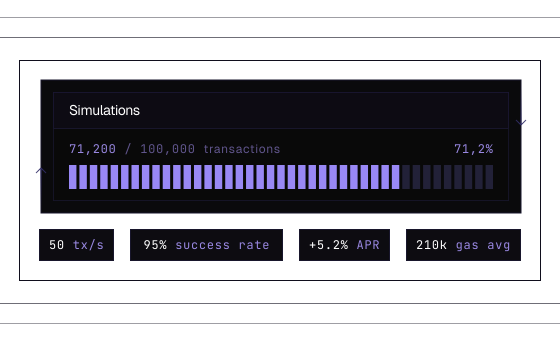
Track the signals that matter and get alerted when contracts move outside expected conditions.
// Stagenets
Test and simulate in mainnet conditions
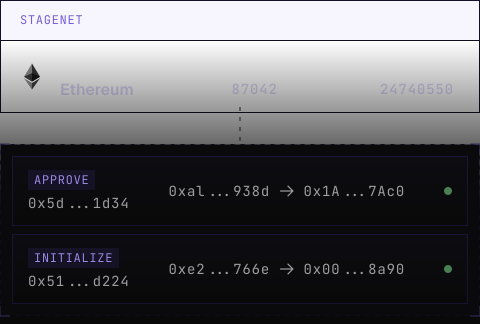
Stage contracts and rehearse operations in private testnets that replay mainnet state.


Agent ready
Give your agent access to our CLI and let it set up analytics, monitoring and tracking for your deployed contracts.
# Install and sign innpm i -g @contract-dev/cli && contract-dev login# Activate dashboards: activity, flow, users, methods, and morecontract-dev watch 0x5bc48516ba035cf1db935f1b8e4bf7bf5a42a68a# Track on-chain data and record its changescontract-dev track 0x5bc48516ba035cf1db935f1b8e4bf7bf5a42a68a native-balance --label "Treasury ETH"# Get alerts when it behaves unexpectedlycontract-dev monitor add "Treasury ETH" --below 500 --warn 600 --to telegram